


RM 3.80
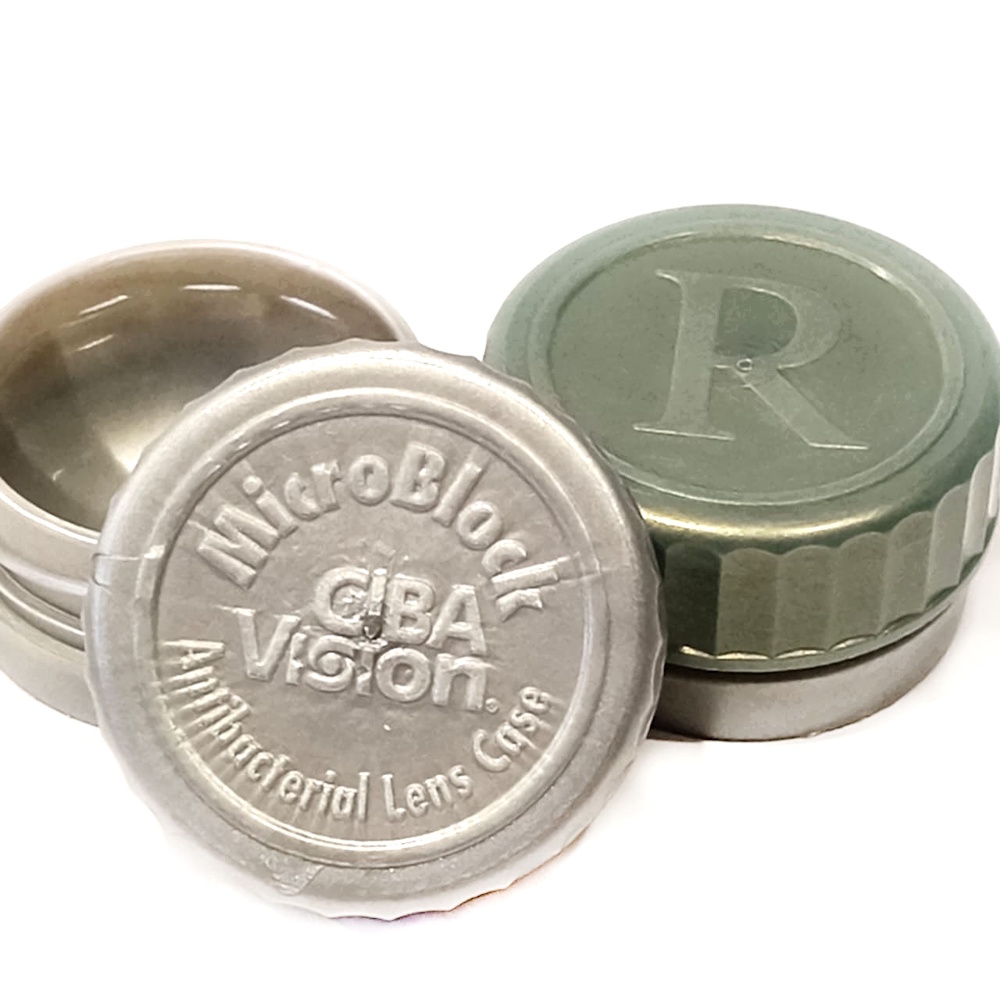
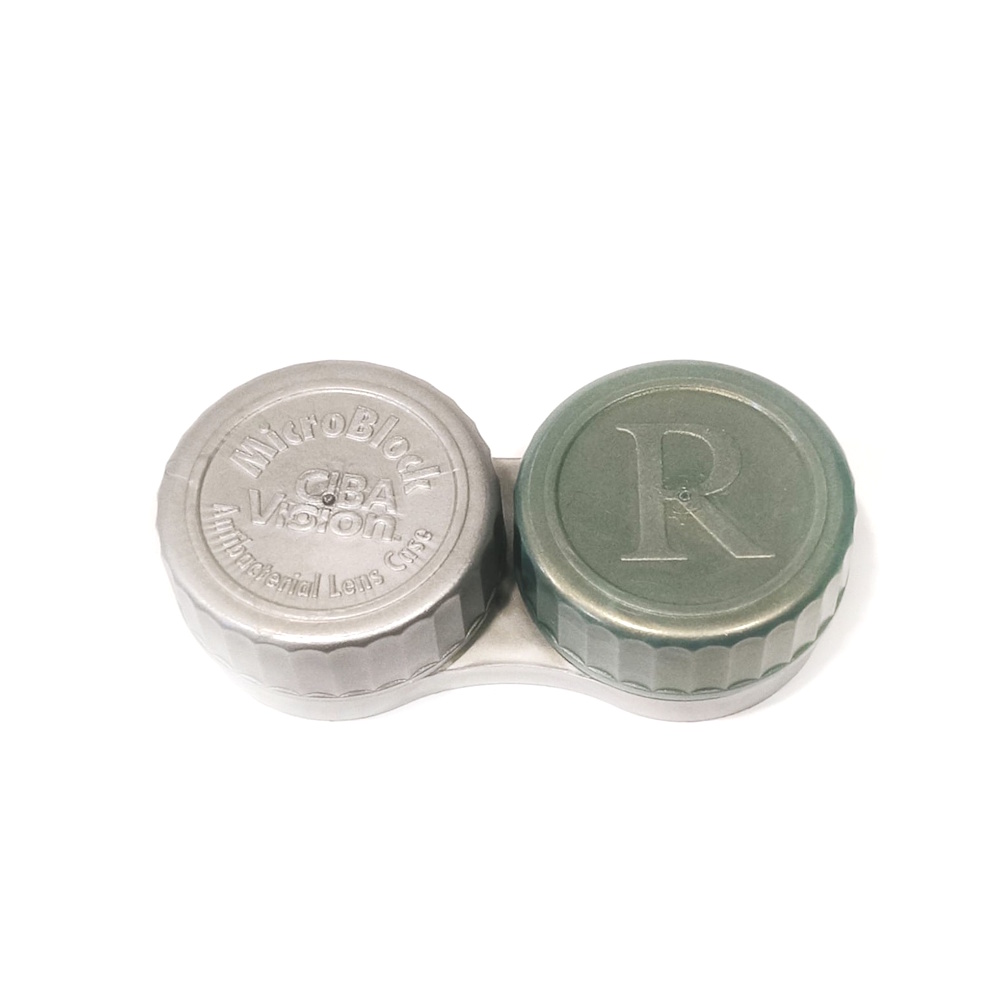
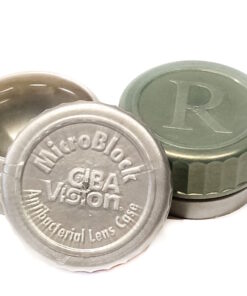
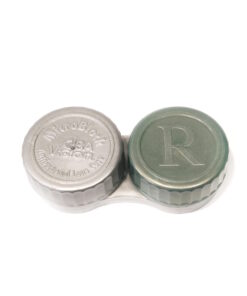
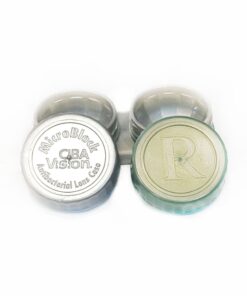
Genuine CibaVision MicroBlock antibacterial contact lens case with silver ion protection. Resists bacterial adhesion. Replace every 3 months.
In stock
Genuine CibaVision MicroBlock Antibacterial Contact Lens Case is a storage case built for one purpose: reducing the bacterial load that standard lens cases allow to accumulate between cleanings. Most cases hold solution and nothing more. This one adds an active surface treatment to the inner walls.
The treatment is a special ionization method that applies silver ions onto the inner surface of the case. Those ions are also contained within the case material itself, so the antibacterial property is part of the plastic rather than a coating that rinses away. The result is a surface that resists bacterial adhesion.
That distinction matters because of what happens after cleaning. A lens in use naturally carries bacteria accumulated during wear, and the cleansing solution removes those bacteria from the lens. But the solution cannot prevent bacteria from adhering to the inner walls of the case—so a conventional case becomes a reservoir that recontaminates the lens on the next storage cycle. The silver ions in the MicroBlock case are designed to prevent that adhesion of bacteria and other unwanted microorganisms.
Eyes are especially sensitive to bacterial infection. Dirty contacts do not only leave you with itching and irritated eyes—they can pose a threat to long-term vision health. A case that resists bacterial adhesion is a small change that supports a healthier routine.
Care Instructions
Daily routine
After inserting your lens: Pour out the used solution, rinse the case with fresh solution, and let it air dry—microbes cannot reproduce in dry conditions.
Before storing your lens: Rinse the lens with fresh solution and fill the case so that the solution covers the lens.
Air drying
Store upside down: Let the case air dry upside down on a paper towel before putting the caps back on.
Why it matters: A dry case is an inhospitable environment for microbial reproduction.
Hygiene habits
Wash hands first: Always wash hands with soap and water before handling contacts.
Clean daily: Every day, empty the solution out of the case, wash it with solution, and clean it with your fingers.
Protect the bottle tip: Avoid letting the tip of the solution bottle touch the case, as it can carry bacteria and contaminants.
Replacement schedule
Every three months, at minimum: Replace the case when you open a new bottle of solution, and at least every three months regardless.
Key Features and Benefits of MicroBlock Antibacterial Contact Lens Case
Silver ion antibacterial treatment
Ionization-treated inner walls: A special ionization method applies silver ions to the inner surface of the case.
Silver ions in the case material: The antibacterial property is built into the plastic, not applied as a surface coating.
Resists bacterial adhesion: Designed to prevent bacteria and other unwanted microorganisms from adhering to the inner walls.
Addresses the gap standard cases leave open
Cleaning solution has a limit: Solution removes bacteria from the lens but cannot stop bacteria from adhering to the case walls.
Breaks the recontamination cycle: By resisting adhesion, the case helps prevent the stored lens from picking bacteria back up between wears.
Supports long-term eye health
Reduces irritation risk: Fewer bacteria in the storage environment supports comfort and reduces itching and irritation.
Protects vision health: Eyes are especially sensitive to bacterial infection, and consistent hygiene protects long-term vision.
Simple, familiar format
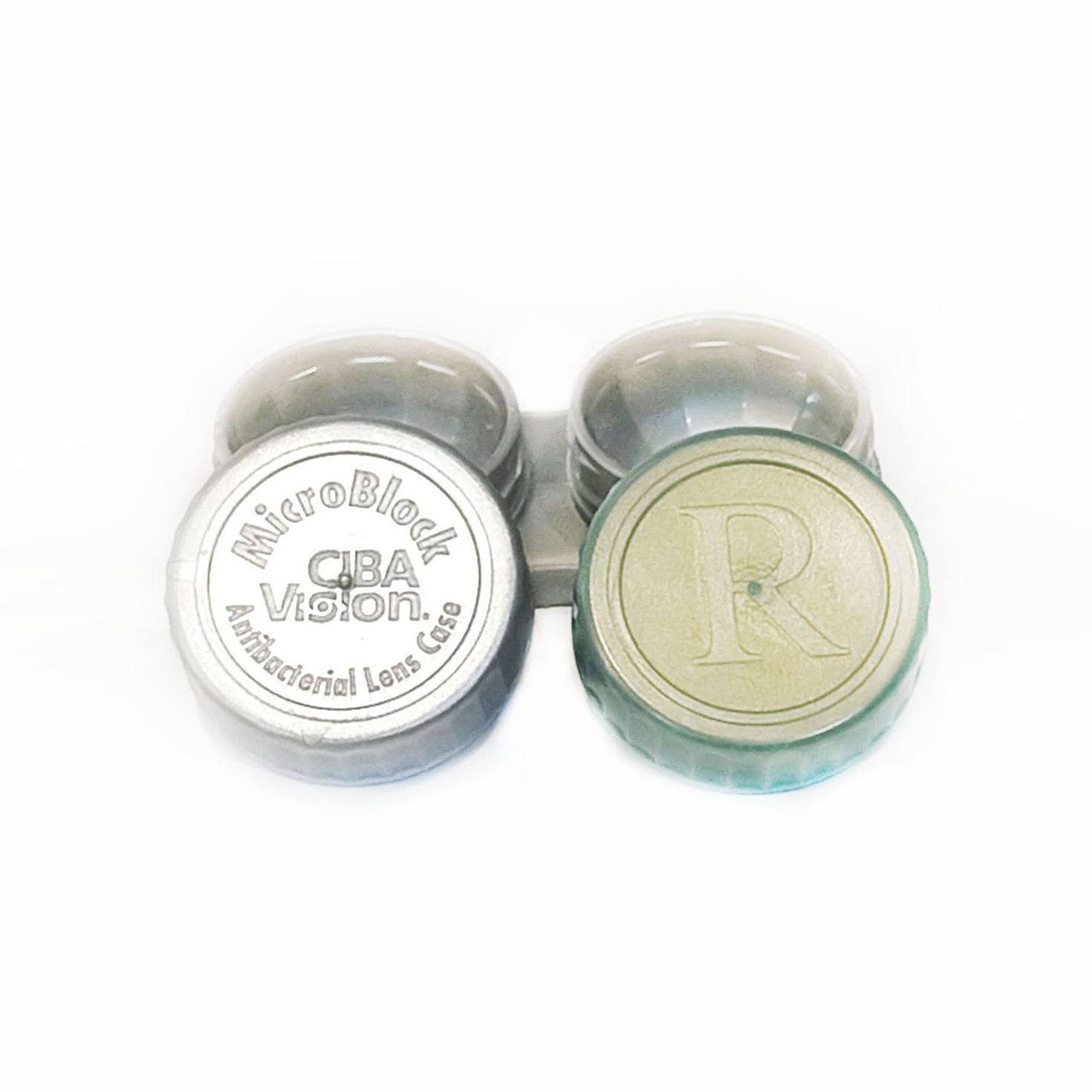
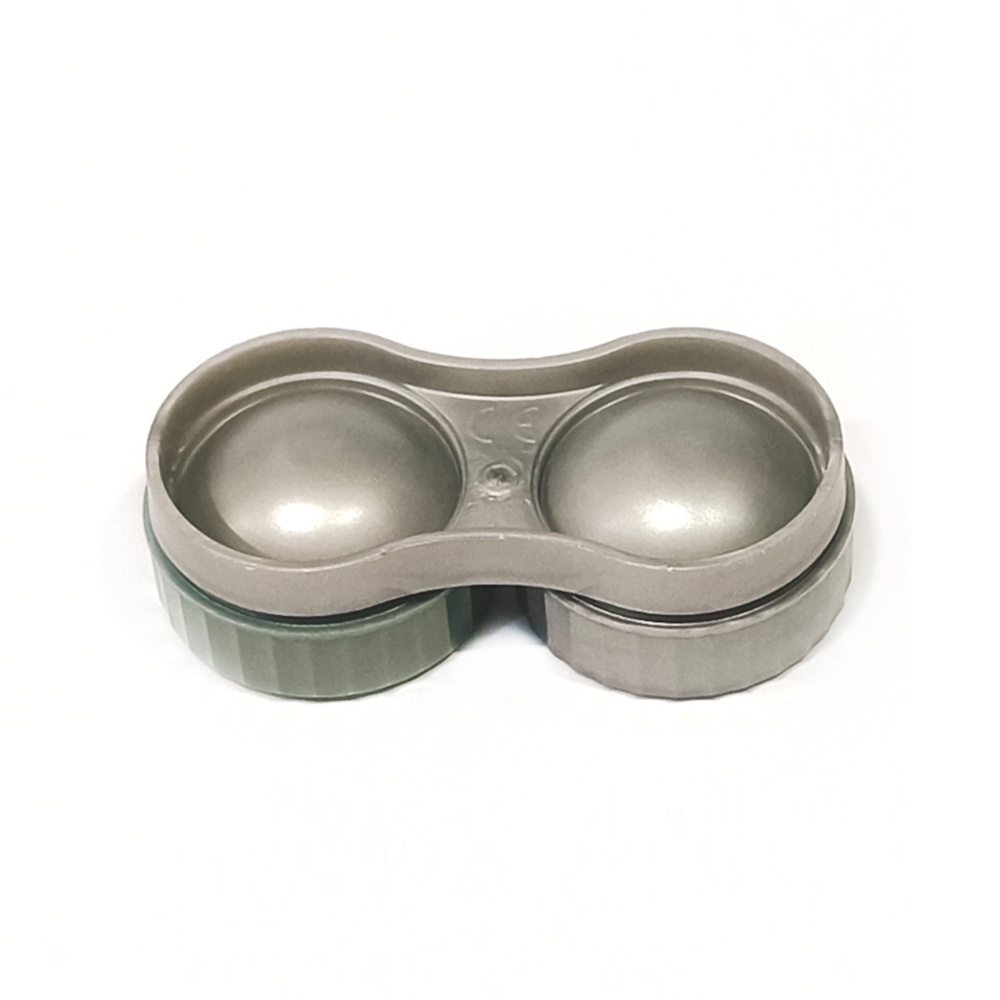
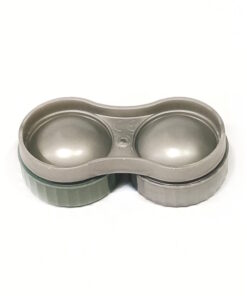
Standard lens case design: Left and right compartments with screw caps, requiring no change to your existing routine.
Easy to clean: Compatible with standard multi-purpose solution for daily rinsing.
| Weight | 0.02 kg |
|---|---|
| Dimensions | 2 × 6.5 × 3.4 cm |
Only logged in customers who have purchased this product may leave a review.
Related products


Contact Lens Accessories
High-Quality Oxysept 1-Step Vertical Contact Lens Case for Hydration & Comfort


Contact Lens Accessories
Rohto Aqua Soothing Eye Drops for Dryness and Fatigue Relief 13ml – Contact Lens Friendly


NOW ON SALE!
Contact Lens Accessories
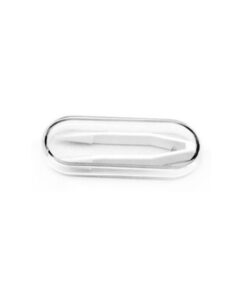
Soft Tip Contact Lens Tweezers, S Size – Portable Inserter & Remover Tool for Hygienic Lens Handling


Contact Lens Solutions


Contact Lens Accessories


Contact Lens Accessories
Reviews
There are no reviews yet.